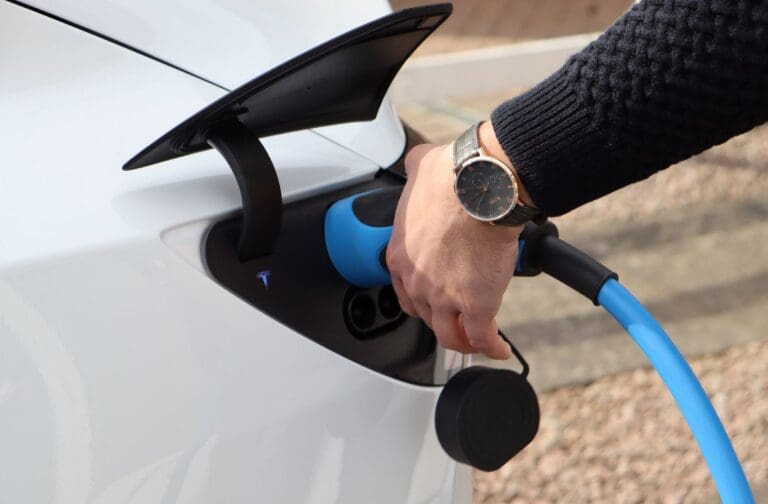
With new ‘76’ registration plates now here, many drivers may be thinking about upgrading their car, and for some, it could be the perfect time to make the switch to electric
Electric vehicles are becoming an increasingly common sight. More than 2.15 million fully electric cars were on UK roads by the end of July 2026, accounting for around 6.2% of the UK’s total vehicles – a threefold increase from just 664,000 vehicles at the end of 2022.1
But alongside factors such as price, charging and running costs, insurance is another important consideration when choosing a new vehicle.
For those buying an electric vehicle (EV) for the first time, there may be questions around how insurance differs from cover for a petrol or diesel car, from whether EVs cost more to insure and what can affect premiums, to how batteries, charging cables and repairs are covered.
So, to help motorists understand what to expect before making the switch, experts at Tesco Insurance have answered some of the most common questions around insuring an electric vehicle.
Alex Cross, Chief Customer Officer at Tesco Insurance, said: “Making the switch to an electric vehicle can feel like a big change, and it’s natural to have questions about what that means for your insurance.
“While many of the basics of car insurance remain the same whether you drive an electric, petrol or diesel vehicle, there are some differences EV drivers should be aware of, particularly when it comes to things like repairs, batteries and charging equipment.
“Taking the time to understand what’s covered and getting an insurance quote before committing to a new car can help you get a clearer picture of the overall cost of ownership and make sure you’re choosing the right vehicle and cover for your needs.”
Below, experts at Tesco Insurance answer some of the most common questions drivers may have about insuring an electric vehicle, and what to consider before making the switch.
1. Are electric cars more expensive to insure?
Electric cars may be more expensive to insure than petrol or diesel vehicles because they can cost more to repair. EVs contain specialist technology, including high-value batteries, and repairs can require specialist parts, equipment and expertise – all of which can increase the potential cost of a claim.
However, that doesn’t mean every EV will come with a higher insurance premium. The make and model of the car also plays a major role in how much you pay, so it’s worth checking the cost of insurance before deciding which EV to buy.
Getting quotes for a few of the models on your shortlist can give you a clearer idea of the difference and help you factor insurance into the overall cost of making the switch.
2. What affects the cost of EV insurance?
Insurers look at both the driver and the car when calculating the cost of cover.
For the driver, this includes factors such as your age, driving history, where you live, your annual mileage and how you use the car. For the vehicle, its value, performance, security and insurance group can all influence the price you pay.
This is why two EVs with a similar purchase price won’t necessarily cost the same to insure, so checking the insurance group and getting a quote before you buy can help you compare your options more accurately.
3. Are EV batteries covered by car insurance?
The battery is one of the most valuable parts of an electric vehicle, so it’s important to understand how it’s covered before taking out a policy. If the battery is damaged in an accident, comprehensive car insurance may cover the cost of repairing or replacing it as part of the claim, subject to the terms of the individual policy.
Drivers should also check whether they own or lease the battery, particularly when buying a second-hand EV, as this may affect how it needs to be insured. It’s worth checking the manufacturer’s battery warranty too, as this is separate from your car insurance and may provide protection against certain faults or loss of battery capacity.
4. Are charging cables and home chargers covered?
Charging equipment is another consideration that comes with owning an EV. Charging cables may be covered by your car insurance, but you should check your individual policy to understand exactly what is included and whether there are any conditions or limits.
A permanently installed home charging point is different, as this forms part of your property rather than the vehicle. If you have one installed, it’s worth checking your home insurance policy and letting your insurer know about the charger where required.
It’s also a good idea to check both policies when you first get an EV, rather than waiting until something is lost or damaged to find out which insurer you need to contact.
5. What happens if an electric car needs repairing?
EVs use different components and technology to petrol and diesel cars, so some repairs need to be carried out by specialist technicians with the appropriate training and equipment.
If you need to make an insurance claim, your insurer can explain the repair process and where the vehicle needs to go, so avoid arranging significant repair work yourself before speaking to your insurer, as this could affect your claim.
For minor issues or general maintenance that isn’t related to an insurance claim, look for a garage or technician that is qualified to work on electric vehicles.
6. How can drivers keep the cost of EV insurance down?
The best advice is to start thinking about insurance before you buy the car, because comparing quotes for several EV models can help you see how your choice of vehicle could affect what you pay each year.
The same steps that can help reduce the cost of traditional car insurance also apply to EVs. Be accurate about your expected annual mileage, consider the vehicle’s insurance group and security features, and think carefully about the voluntary excess you choose. A higher voluntary excess can reduce the premium but make sure it’s an amount you could comfortably afford if you needed to make a claim.
Most importantly, look at insurance alongside the purchase price, charging and other running costs, as this will give you a more realistic picture of what an EV will cost to own before you make the switch.